

A dental crown restores a damaged or weakened tooth by covering it with a custom-fitted cap that protects the remaining structure and recreates its natural shape. Traditional crowns have historically required two separate appointments and weeks of waiting, but modern technology has changed that process significantly.
CEREC® technology allows dentists to design, mill, and place a permanent ceramic crown in a single visit, eliminating the need for temporary restorations and lab delays. Patients exploring same-day crown options should understand exactly how the CEREC® crowns in Springfield, PA, procedure unfolds from start to finish.

Understanding the CEREC® Crown Process
Step 1: Examination and Treatment Planning
The appointment begins with a thorough examination of the affected tooth to assess the extent of damage, decay, or structural compromise. Digital X-rays and a clinical evaluation help the dentist determine whether a crown is the most appropriate restoration. Dental crowns are recommended when a tooth has too much damage for a filling to address effectively, or when it needs protection following a root canal.
Step 2: Tooth Preparation
Once the treatment plan is confirmed, the dentist numbs the area with local anesthesia and begins reshaping the tooth to create space for the crown. This involves removing a thin layer of enamel from all sides of the tooth so the crown will fit naturally within the bite. The amount removed depends on the material being used and the degree of existing damage or decay.
Step 3: Digital Scanning
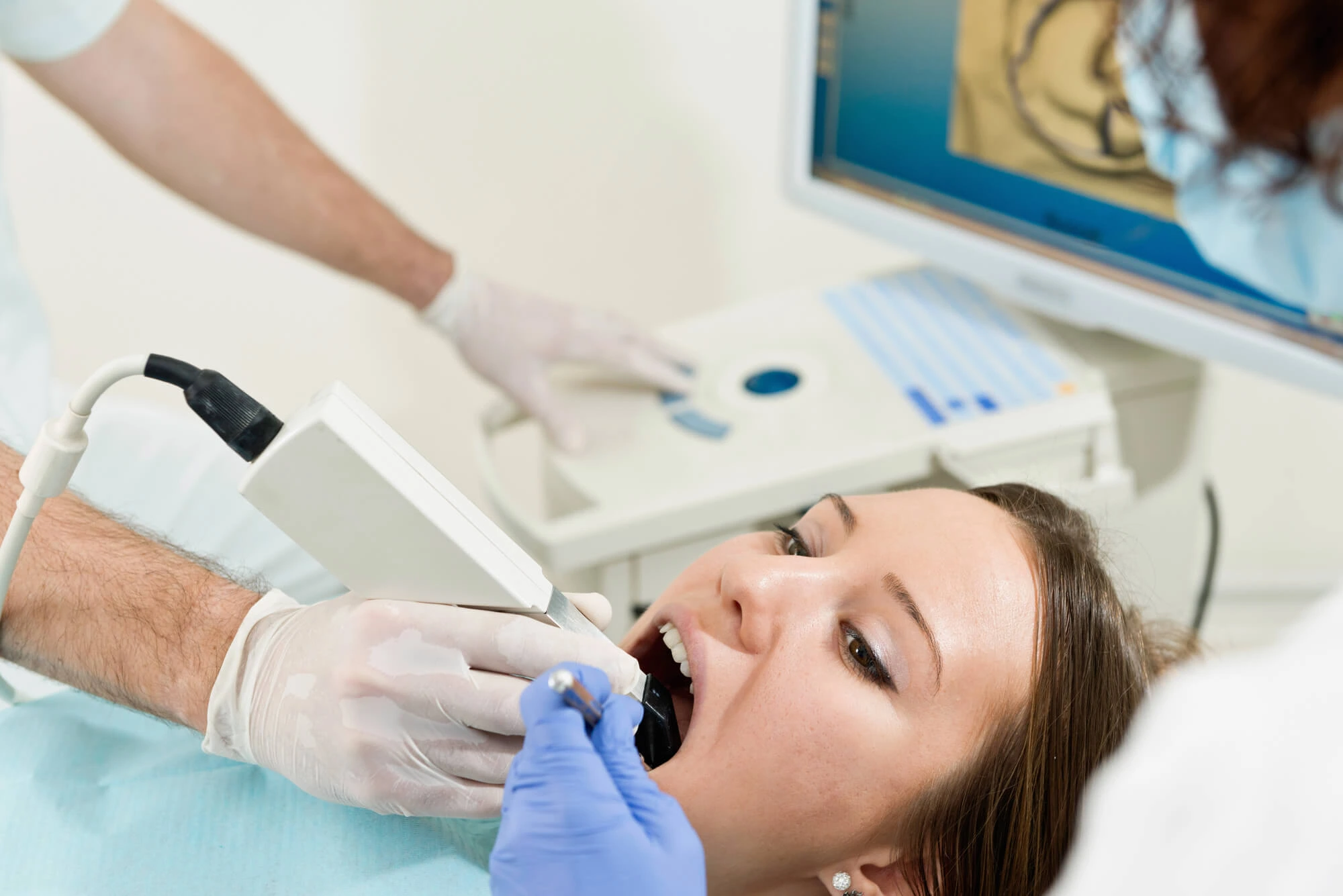
Rather than using traditional impression putty, the dentist uses a small intraoral camera to capture a precise three-dimensional digital scan of the prepared tooth and surrounding area.
This scan generates an accurate virtual model that eliminates the discomfort of conventional impressions. Research published through the National Institutes of Health confirms that CEREC® CAD/CAM technology produces restorations with a high degree of accuracy and fit comparable to traditionally fabricated crowns.
Step 4: Crown Design Using CAD/CAM Software
The digital scan is uploaded into specialized CAD/CAM software, where the dentist designs the crown to match the exact shape, size, and contour of the original tooth. The software uses the surrounding teeth as a reference to ensure proper bite alignment and a natural appearance.
The American Dental Association recognizes that computer-aided crown fabrication has become a reliable and widely accepted method in modern restorative dentistry.
Step 5: Milling the Crown
Once the design is finalized, the data is sent to an in-office milling machine that carves the crown from a solid block of ceramic material in approximately 15 to 20 minutes.
The ceramic is matched to the shade of the surrounding teeth, producing a restoration that blends seamlessly with the natural smile. This step is what makes same-day placement possible, as no outside laboratory is involved in the fabrication process.
Step 6: Fitting and Bonding
After milling, the crown is tried in the mouth to verify the fit, bite, and aesthetics before final placement. Minor adjustments are made chairside if needed to ensure a precise and comfortable result.
The crown is then permanently bonded to the prepared tooth using dental cement, completing the restoration in a single appointment.
What Makes CEREC® a Popular Restorative Option
Key Benefits at a Glance
- No temporary crown needed, reducing the risk of sensitivity between visits.
- No physical impressions, making the process more comfortable for patients.
- Ceramic material is durable, biocompatible, and closely mimics natural tooth enamel.
- The entire procedure is typically completed in one to two hours.
When CEREC® May Be the Right Choice
CEREC® crowns are well-suited for patients who need a restoration on a cracked, decayed, or heavily filled tooth and prefer to complete treatment in a single visit. They are also a strong option for anyone whose schedule makes multiple appointments difficult to manage.
For patients seeking a broader range of smile restoration treatments, crowns can be part of a more comprehensive cosmetic or restorative plan tailored to individual goals.
Caring for a CEREC® Crown After Placement
CEREC® crowns require the same care as natural teeth, including brushing twice daily, flossing around the crown margin, and attending regular dental checkups.
Avoiding habits such as chewing ice or grinding teeth helps extend the lifespan of the restoration. A full overview of available restorative dental services can help patients understand how a crown fits within their broader oral health care plan.
Get CEREC® crowns in Springfield, PA at Smile Exchange Springfield
Smile Exchange Springfield offers same-day CEREC® crown technology as part of a comprehensive approach to restorative dentistry, helping patients protect and rebuild damaged teeth without the inconvenience of multiple visits.
The team is committed to providing precise, comfortable care from the first scan to final placement. Contact Smile Exchange Springfield today to schedule a consultation and find out if a CEREC® crown is the right solution.