
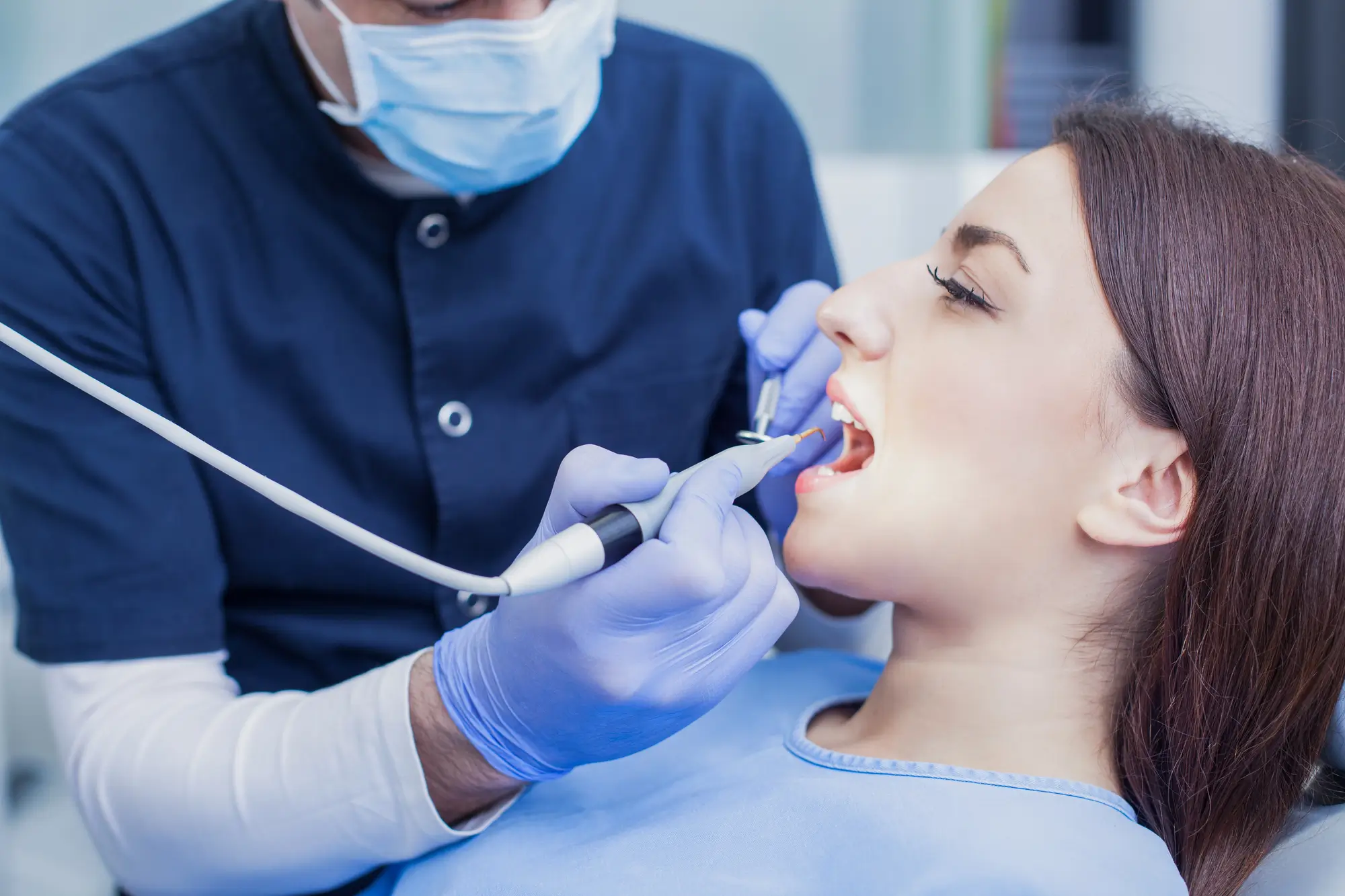
Not every dental cleaning is the same, and Smile Exchange Springfield's dental services make it easy to get the right one. For many patients, the difference between a routine teeth cleaning in Springfield, PA, and a deep cleaning only becomes clear once gum health is already a concern.
Both visits remove buildup that a toothbrush can't reach. However, they're built for very different stages of gum health and require different levels of care. Knowing which one applies makes it much easier to know what to expect at the next appointment and why the hygienist might recommend one over the other.
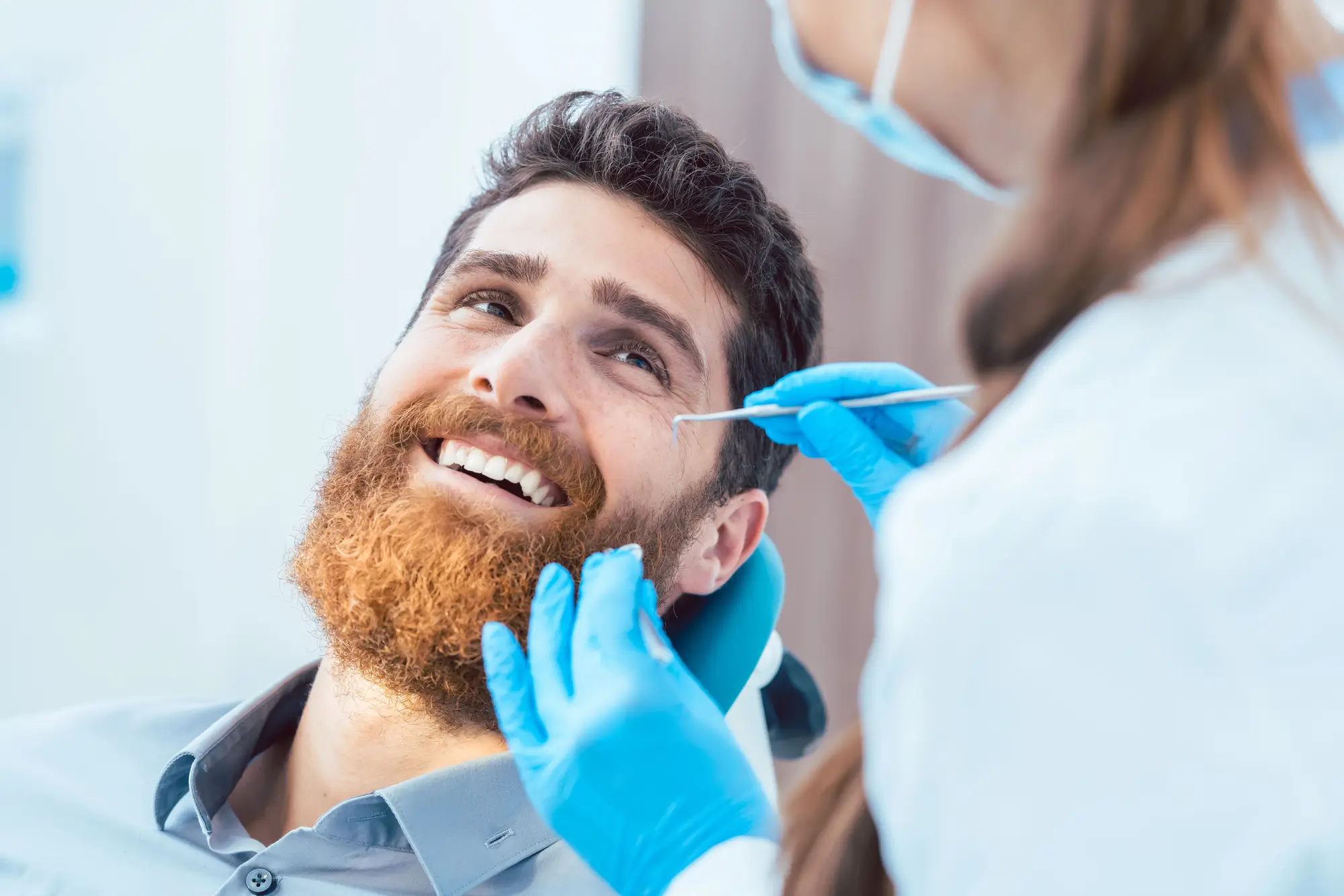
Two Very Different Kinds of Clean
A standard cleaning and a deep cleaning share some basic tools and techniques, but the similarities mostly end there. One is routine maintenance meant to keep a healthy mouth healthy; the other is active treatment for a problem that's already started.
What a Regular Cleaning Covers
A standard teeth cleaning removes surface plaque and tartar above the gumline, then finishes with a polish that clears away everyday staining. Most healthy patients only need this twice a year, and the visit itself typically takes well under an hour.
What a Deep Cleaning Involves
A deep cleaning, known clinically as scaling and root planing, reaches below the gumline to remove plaque and tartar that a routine visit can't reach. It's a treatment for gum disease that's already taking hold, not a more thorough version of a regular checkup.
Signs a Deep Cleaning Might Be Needed
A dentist can confirm gum disease during a routine dental exam. However, a few warning signs often show up well before that appointment.
- Red, swollen, or tender gums
- Gums that bleed during brushing or flossing
- Persistent bad breath that doesn't go away
- Gums that appear to be pulling back from the teeth
- Teeth that feel loose or have started to shift
Why the Right Cleaning Matters
Untreated gum disease has been linked to problems well beyond the mouth, which is part of why consistent oral health habits matter so much. Catching a problem early, while it's still a routine fix, is almost always simpler than treating it later.
Good oral hygiene at home helps between visits, but it can't remove tartar that's already hardened below the gumline. That's exactly the gap a professional cleaning, regular or deep, is designed to close.
Frequently Asked Questions About Dental Cleanings
Does a Deep Cleaning Hurt?
Deep cleaning can involve a local anesthetic since it reaches below the gumline. Still, most patients report only mild soreness afterward. Any discomfort typically fades within a day or two as the gums start to heal.
How Often Is Deep Cleaning Needed?
After an initial deep cleaning, most patients switch to periodontal maintenance visits every three to four months instead of the usual twice-a-year schedule. This closer spacing helps keep bacteria from rebuilding below the gumline.
Can a Regular Cleaning Turn Into a Deep Cleaning?
Sometimes, yes. A hygienist may find more buildup, bleeding, or gum inflammation than expected once a cleaning is already underway. In that case, the visit is usually paused so that a full periodontal evaluation can be scheduled instead.
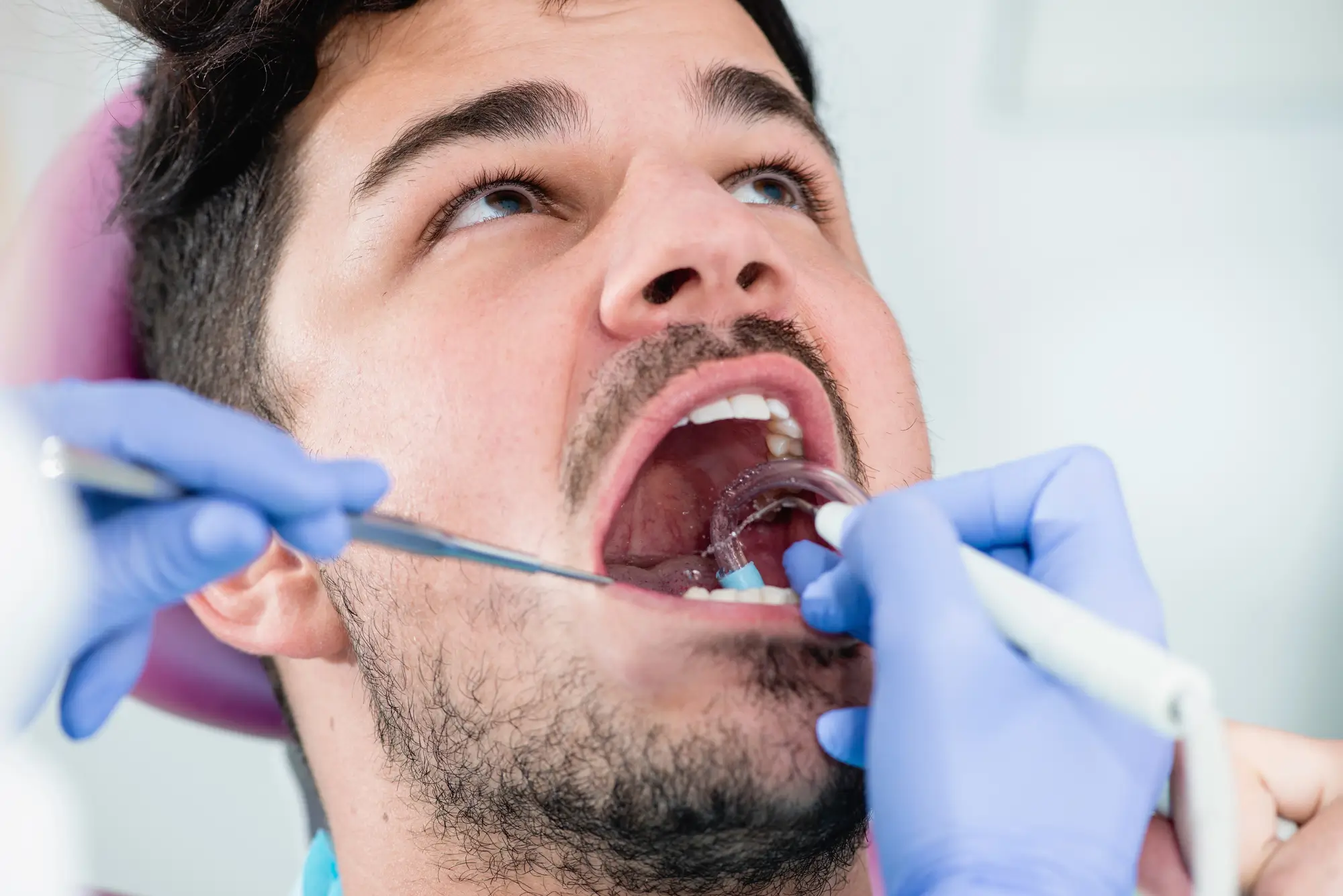
Schedule a Teeth Cleaning in Springfield, PA
Whether it's time for a routine visit or gums have been sending warning signs, a teeth cleaning in Springfield, PA, is the easiest way to find out which one applies. Smile Exchange Springfield welcomes new and returning patients who are ready to book an appointment and get back on track.